


Technical Specifications
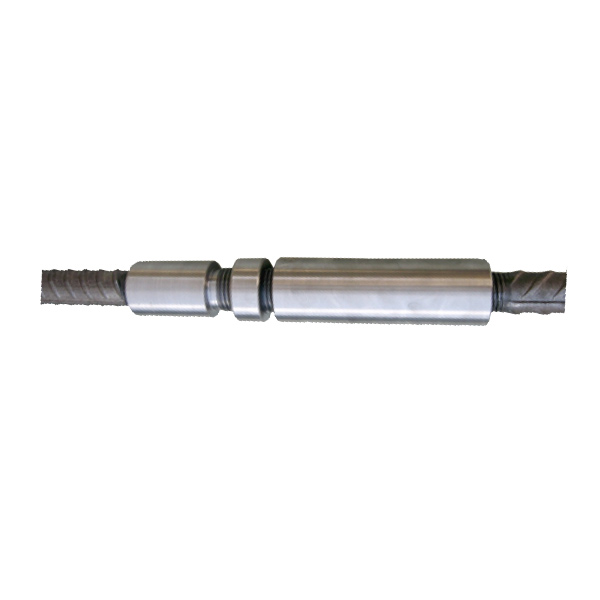
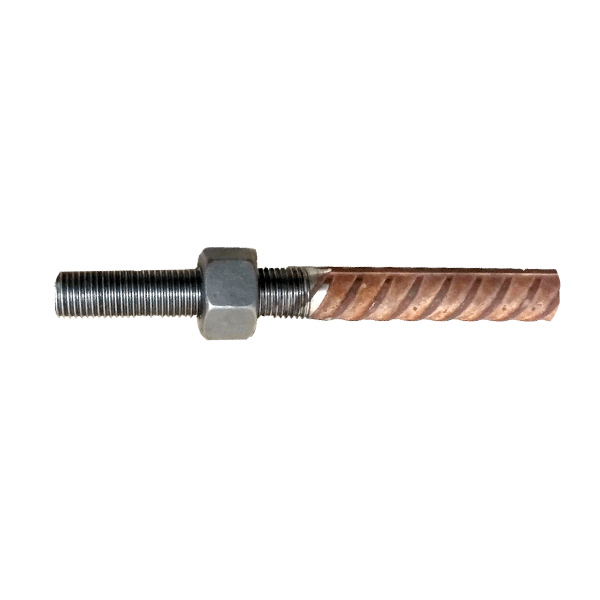
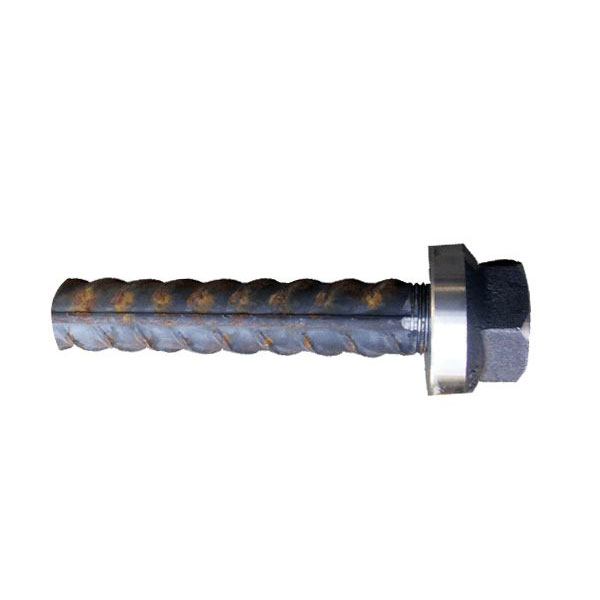
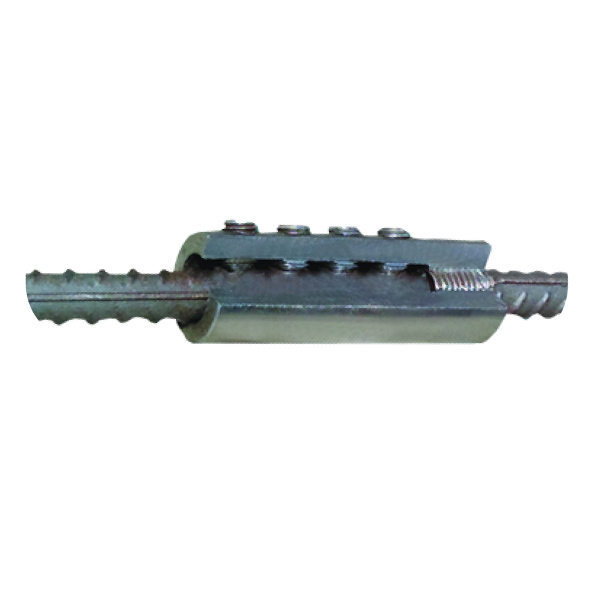
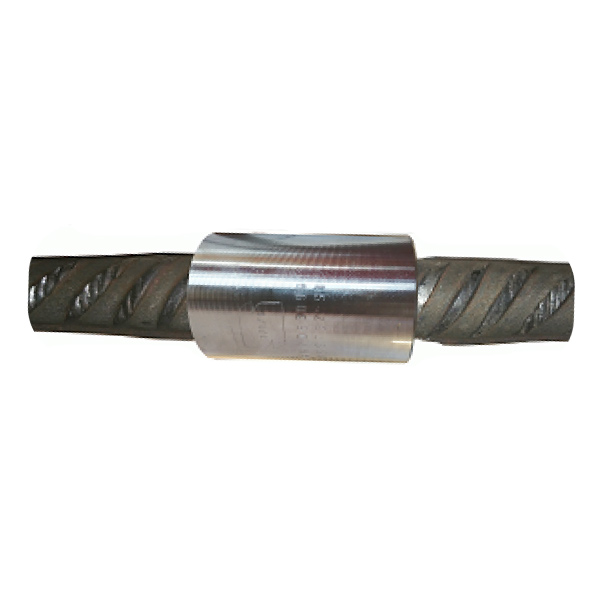
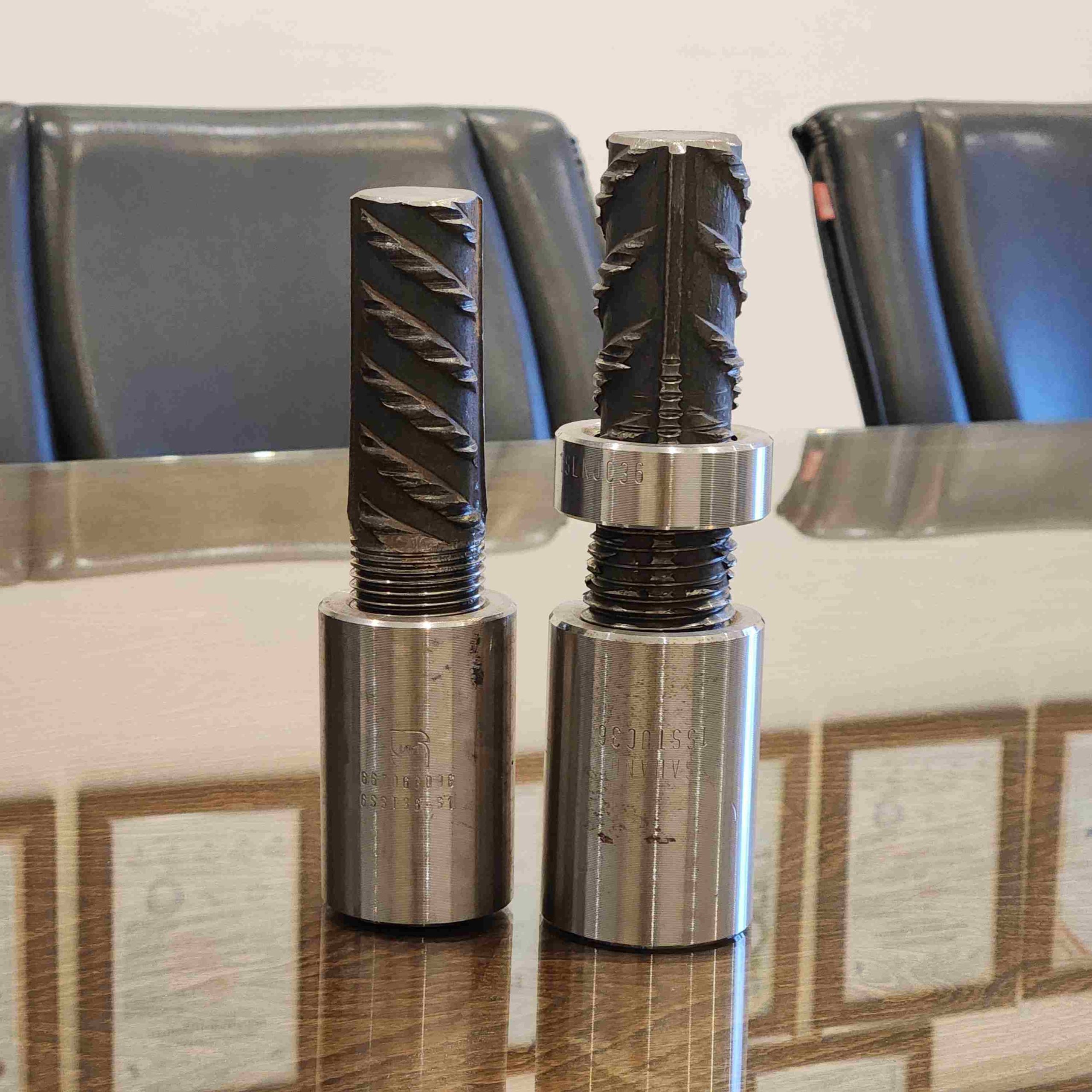
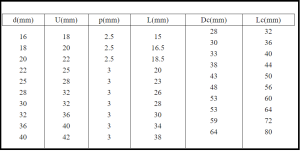
The technical specifications of the threads and couplers used in this method are shown in the table below.
It should be noted that the steel used for manufacturing these couplers conforms to DIN 1.1191.
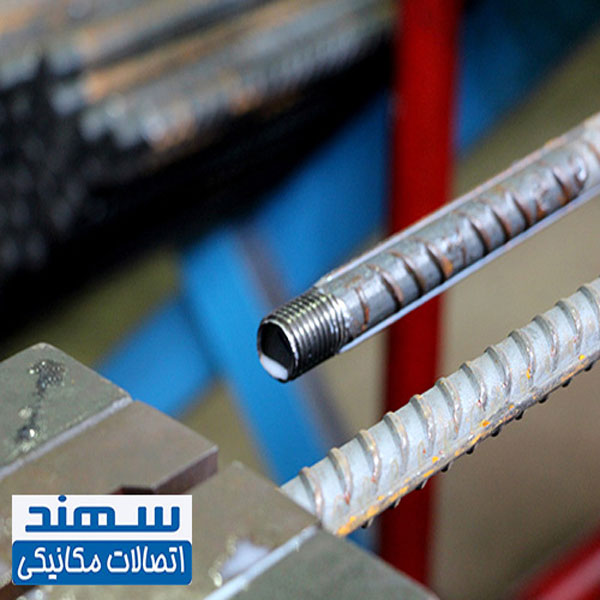
The thread length at the end of the reinforcing bar is:
(d − P) ≤ L ≤ d
Where:
d = Nominal diameter of the reinforcing bar
P = Thread pitch
Dc = Outside diameter of the coupler
Lc = Coupler length

Installation Instructions for Connecting Threaded Reinforcing Bars Using a Standard (Right-Hand Thread) Coupler
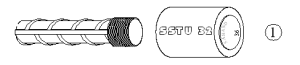
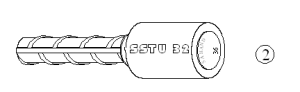

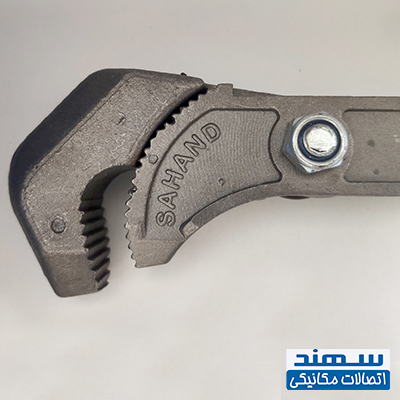
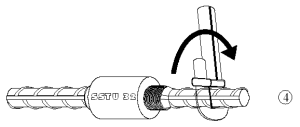
4. Using the special wrench or a pipe wrench, completely tighten the second reinforcing bar into the coupler until the last thread. In this condition, all the threads of both reinforcing bars are engaged inside the coupler, and it is not necessary for the ends of the reinforcing bars to touch each other.

7. Compliance with and supervision of the requirements for the use of mechanical splices in accordance with the Iranian Concrete Code (ABA) and the National Building Regulations of Iran shall be the responsibility of the employer.
Our company’s specialists are available to assist you throughout all stages of the project and are ready to answer your questions.
You can also view the other products of Sahand Mechanical Splices on the company’s Products page.