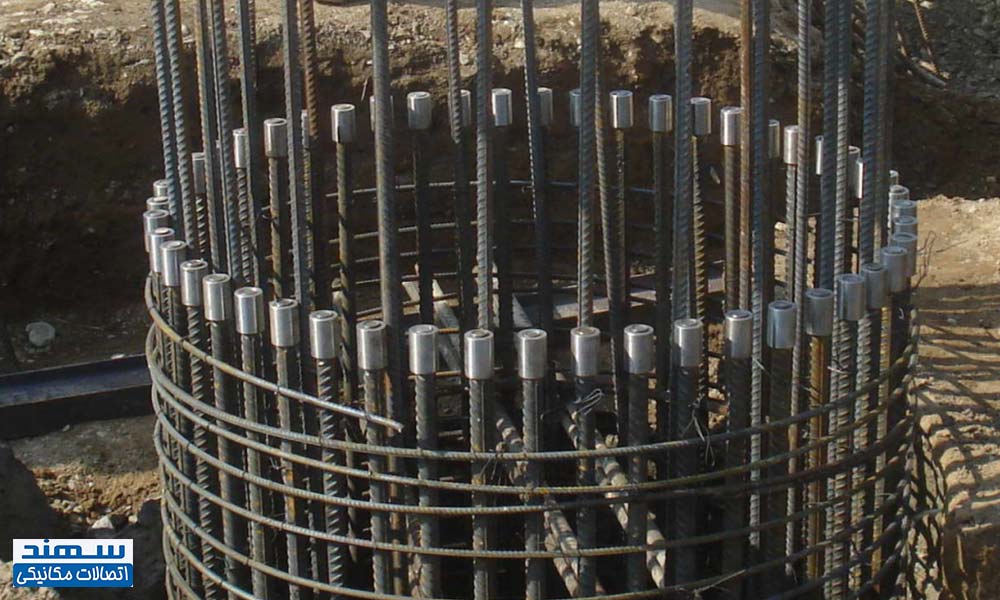


Key Factors Affecting Structural Cost Reduction with Couplers
Today, one of the most important challenges faced by contractors and builders in the construction industry is controlling the final cost of structures. Like any other industry, construction companies aim to optimize expenses and prevent the waste of resources and investment. Proper and efficient allocation of capital can contribute to the growth and development of the industry while improving overall affordability. One of the main advantages of using couplers is reducing construction costs while simultaneously improving structural strength and reliability.
In our article “The Best Rebar Connection Method,” we discussed different rebar connection methods and their advantages. We learned that mechanical splicing is one of the most effective methods for connecting rebars, offering significant benefits compared to traditional connection techniques. In this article, we focus specifically on how couplers help reduce structural costs and examine their competitive advantages over other rebar connection methods.
Designing Plans Based on Coupler Usage
Before starting construction, the architect and structural engineers must prepare the building plans and construction details. Before the design and structural calculations begin, the engineer can be informed that mechanical couplers will be used instead of lap splicing. In this case, the foundation and columns are designed based on mechanical splicing, and the entire structure is planned around the use of couplers.
With this approach, the cost difference between using couplers and traditional connection methods can be significant. In the following sections, we will explain in detail the advantages of couplers that contribute to reducing overall construction costs.
Reduced Rebar Consumption
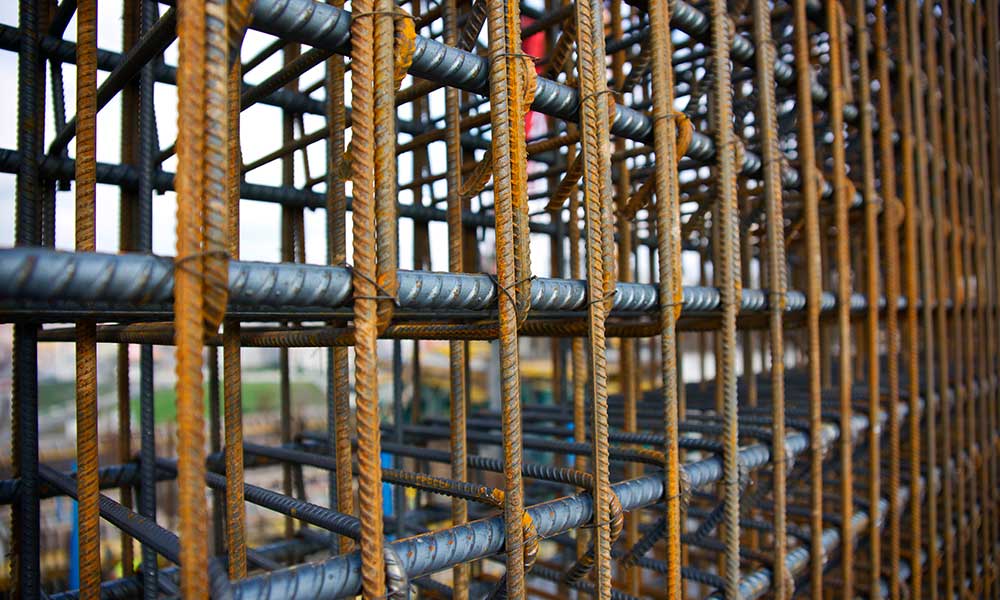
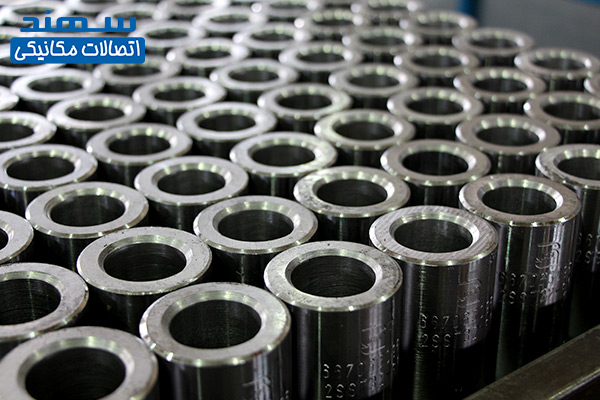
The purpose of using mechanical splices is not only to increase the strength and durability of a structure but also to reduce the amount of rebar required. For example, eliminating lap splicing removes rebar overlaps and significantly reduces steel consumption. Similarly, end couplers eliminate the need for bending rebar ends, resulting in a noticeable reduction in reinforcement usage. Lower rebar consumption ultimately leads to reduced construction costs.
Reduced Column Dimensions
Using rebar or steel in concrete structures must comply with the reinforcement ratio requirements specified in structural codes. In structures where lap splicing is used, engineers often need to increase column dimensions due to the additional reinforcement within the section to maintain the required steel-to-concrete ratio.
However, when mechanical couplers are used for rebar connections, the required steel-to-concrete ratio can be achieved with smaller column dimensions. As a result, using couplers allows for reduced column sizes compared to lap splicing, leading to lower concrete consumption in the structure. This reduction not only decreases project costs and overall structural weight but also provides more usable interior space within the building.
Reduced Number of Connections and Increased Project Speed
When lap splicing is used, reinforcement installation comes with certain limitations that do not exist when using couplers. Mechanical splicing with couplers reduces the number of required connections, leading to a more efficient reinforcement process and lower labor costs for the contractor.
Reducing the number of connections also increases construction speed and has a direct impact on the overall project completion time. Today, project execution speed is a critical factor in construction, as builders typically set an estimated completion date at the beginning of a project and strive to deliver it on schedule. Shortening the project timeline can significantly contribute to reducing overall construction costs.
Optimized Rebar Consumption
When using couplers, in addition to reducing rebar consumption, optimized use of reinforcement also plays an important role in lowering construction costs. In this method, rebars are cut in a way that minimizes waste and unused portions, as the cutting process is planned and performed based on structural requirements and engineering drawings. This efficient use of rebar significantly contributes to reducing the cost of reinforced concrete structures.
Steel Export as a National Asset
The points mentioned above demonstrate the impact of couplers on reducing construction costs and increasing the profitability of contractors and project owners in large-scale projects. However, using couplers also provides another economic benefit that extends to society as a whole.
By reducing steel consumption in major construction projects, more steel resources become available for export to other countries. Steel exports generate foreign currency income, which can contribute to economic growth and support the national economy.
In this article, we explored in detail the impact of couplers on reducing structural costs. We learned that mechanical splices, in addition to improving structural strength, reducing structural weight, and providing other advantages, can significantly contribute to lowering construction expenses.
Sahand Mechanical Splices, with years of experience in manufacturing rebar couplers and mechanical splicing systems, is ready to cooperate with respected contractors and construction professionals. For more information and project consultation, please contact us at +98 21 4402 4118.