

The Best Rebar Connection Method, Their Advantages and Disadvantages
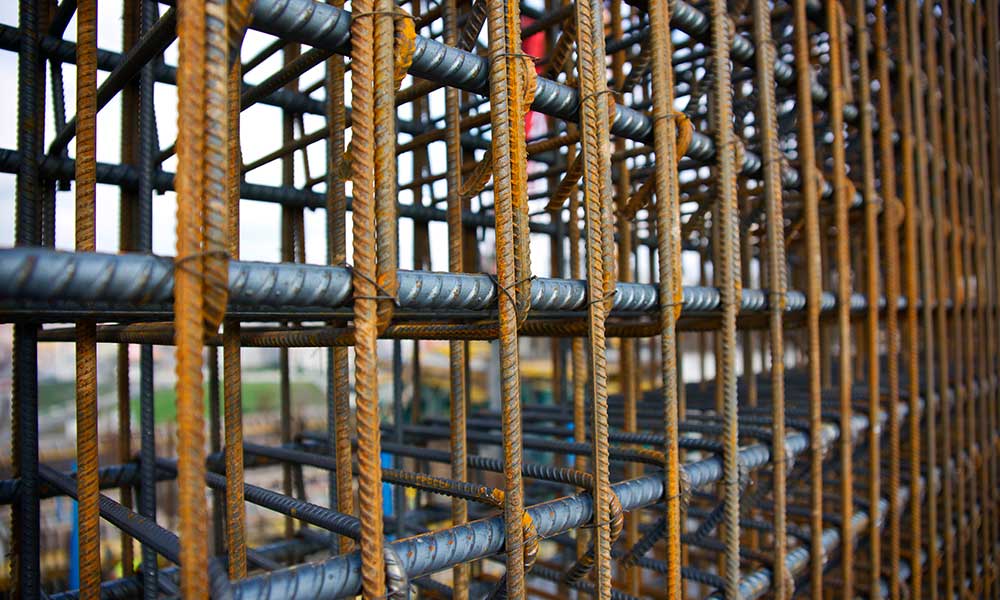
Using rebar connection methods in construction is unavoidable because construction rebars are typically produced in 12-meter lengths, while many projects require longer reinforcement lengths. In addition, connecting two rebars together is one of the most frequently performed operations during structural construction.
Although rebar connection may seem simple, it is a highly technical and specialized subject. If it is not performed correctly and according to engineering requirements, it can cause serious issues in the future and reduce the structural strength against earthquakes and other natural disasters.
In this article, we will introduce the best rebar connection methods along with their advantages and disadvantages.
Types of Rebar Connection Methods
Lap Splicing (Lap Joint)
Mechanical Rebar Splicing
Forging or Butt-Welding Rebar Connection
In the following sections, we will explore the best rebar connection method in detail.
Lap Splicing (Lap Joint)
This method is considered one of the most common rebar connection methods among structural engineers because it does not require special technology and has been widely used for many years. In this method, according to rebar lengths and construction drawings, two rebars overlap each other for a specified length and are tied together with reinforcement wire to create a longer continuous bar.
Although this method may appear to be a simple and practical solution at first glance, it has several disadvantages. The first major issue is the high consumption of reinforcement steel, as additional rebar is required in the overlapping areas. This increases project costs, especially in large-scale structures. For this reason, many contractors prefer not to use this method in major construction projects.
Another disadvantage is the high reinforcement congestion at connection points. The increased density of rebars can prevent proper concrete placement around the reinforcement, reducing the quality of concrete coverage and potentially decreasing the overall structural strength.
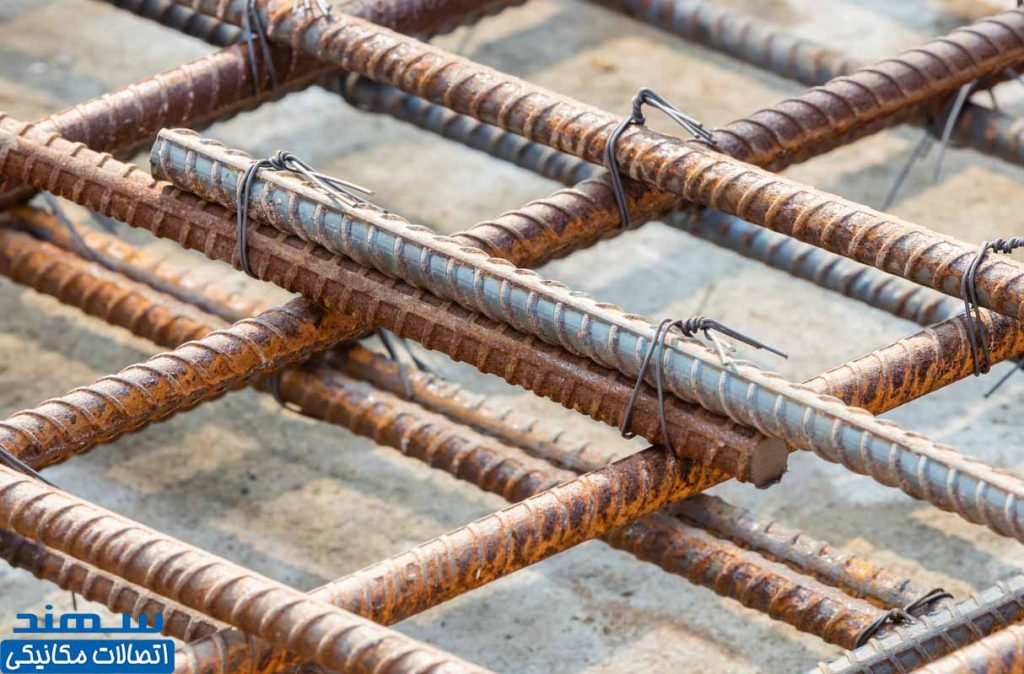
On the other hand, if the concrete becomes weak in any area, the lap splice will become ineffective because this type of connection relies on being fully surrounded by concrete. If it is not properly covered by concrete, it will not contribute to increasing the tensile strength of the concrete.
The main reason for placing reinforcement inside concrete is to improve its resistance against tensile forces. Therefore, the concrete cover must completely surround the lap splice area. Additionally, for larger diameter rebars, the overlap length must be increased, which leads to higher reinforcement consumption in the structure.
Mechanical Rebar Splicing
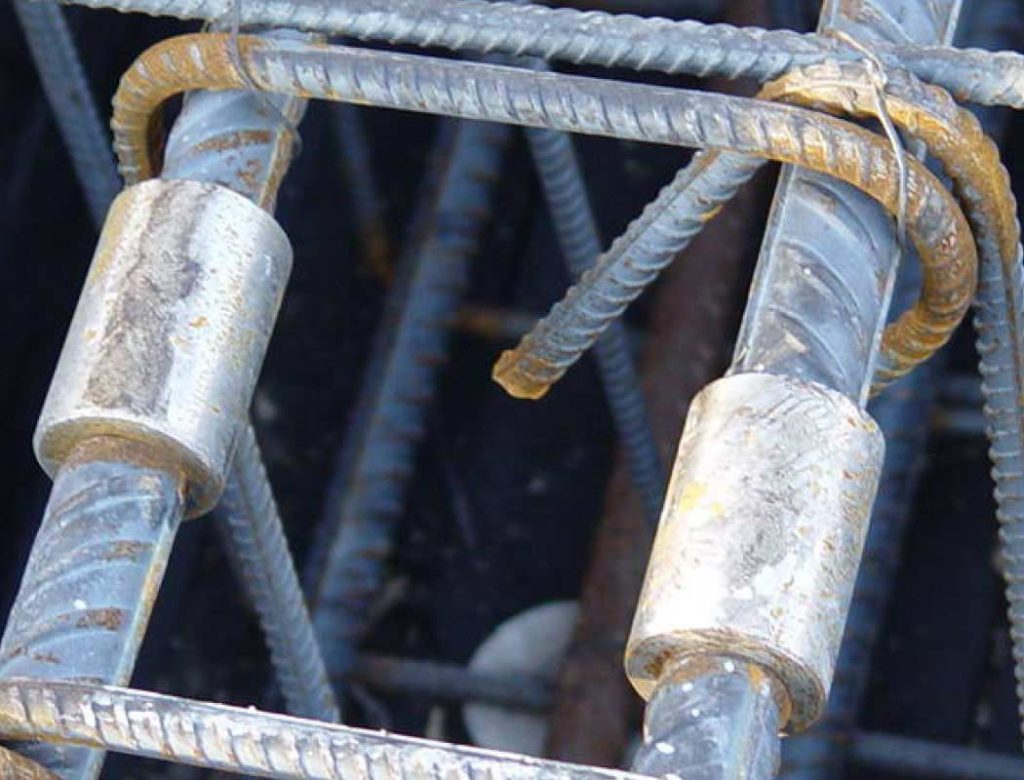
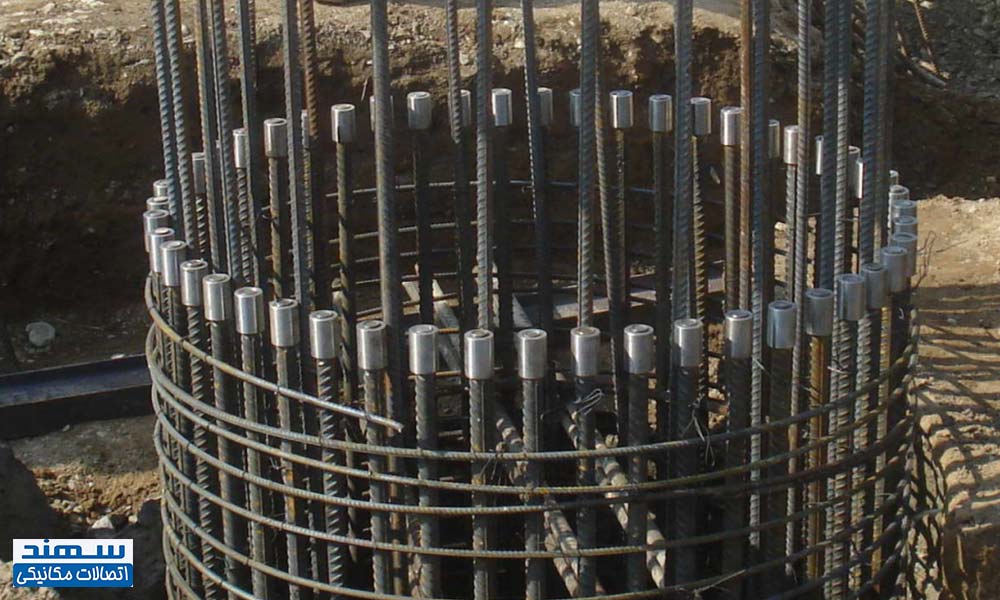
Mechanical rebar splicing, also known as rebar coupler connection, is a relatively new technology in rebar connection methods that resolves many of the issues associated with lap splicing and is considered one of the best rebar connection methods. In this method, the ends of the two rebars to be connected are threaded, and they are joined together using a cylindrical steel component called a coupler, which has internal threads. The connection is then securely tightened using a coupler wrench. Couplers are available in various types and designs to meet different structural requirements.
It is evident that using couplers reduces reinforcement congestion and creates more space for smooth concrete placement. In addition, lower reinforcement congestion results in reduced rebar consumption, which leads to lower overall construction costs and reduces the structural weight due to the lower amount of steel used.
Another important advantage is the higher level of reliability provided by mechanical splices compared to lap splices. In this method, force transfer from one rebar to another does not depend on the surrounding concrete, allowing mechanical connections to perform much more effectively than lap connections. Furthermore, in some projects, due to contractor mistakes or other circumstances, lap splicing may not be possible, and using couplers becomes the only solution to continue the construction process.
Another advantage of using couplers is that, in lap splice connections, the amount of stirrups at the splice area must be doubled according to design codes. However, when mechanical couplers are used, there is no need for additional stirrup reinforcement, which results in further cost savings in construction projects.
Forging or Butt-Welding Rebar Connection
In this method, an oxy-acetylene torch is used to heat the two ends of rebars, which are held in position by a clamp, until they reach a plastic state. Then, by applying pressure, the rebars are bonded together without using any additional welding material. The heating process creates a molecular bond between the rebars. In this method, the heating time and the amount of pressure applied during welding depend on the diameter of the rebars.
However, this method has several weaknesses and disadvantages. For example, it requires a highly skilled operator, and the operator determines the required heating level mainly based on experience. There is no accurate tool available to measure the rebar temperature during the welding process, even though the rebar temperature is a critical factor in achieving a reliable connection. The temperature must remain within the range of 1200 to 1300 degrees Celsius; otherwise, the reliability and safety factor of the welded connection will decrease.
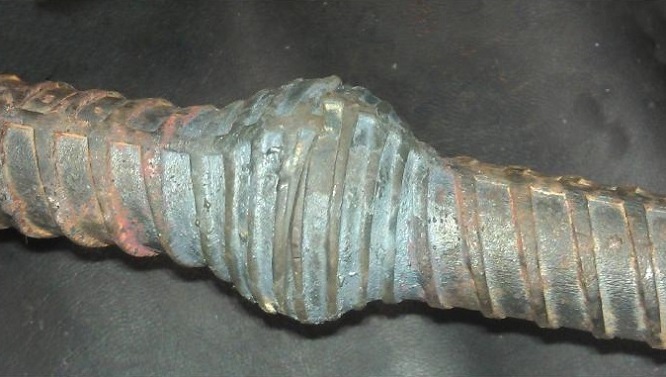
Furthermore, considering the limitations specified in construction codes, studies show that material waste in the forging method is even higher than in lap splicing, which means increased project costs.
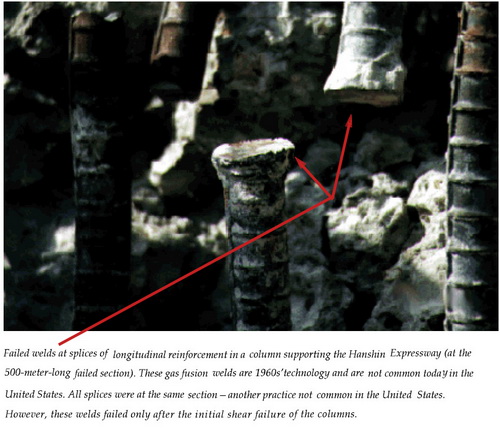
Due to the significant influence of human and environmental factors (such as weather conditions, operator fatigue, and site conditions), as well as the strict requirements of authorities such as the Road, Housing and Urban Development Research Center, which are extremely difficult to meet and can impose excessive costs on projects, this method is practically neither economically nor technically viable and is considered unacceptable.
For further information on this subject, you can refer to the article on the disadvantages of Gas Pressure Welding. This image is related to the Kobe earthquake in Japan and clearly demonstrates the inability of welded connections to withstand earthquake forces.
In this article, we explored the best rebar connection methods and reviewed the advantages and disadvantages of each one. We learned that lap splicing increases the structural weight and the overall construction cost. On the other hand, rebar welding or forging methods have many limitations that make their accurate implementation extremely difficult. Among these methods, mechanical rebar splicing or couplers are considered the best rebar connection solution, as they help control construction costs while also improving structural strength.
Sahand Mechanical Splices is proud to contribute to the growth and development of Iran by manufacturing high-quality and durable couplers for many years. For consultation on selecting the best rebar connection method or placing an order for your projects, you can contact us daily at +98 21 4402 4118. You can also arrange a free in-person consultation at Sahand’s office located on Ayatollah Kashani Street.